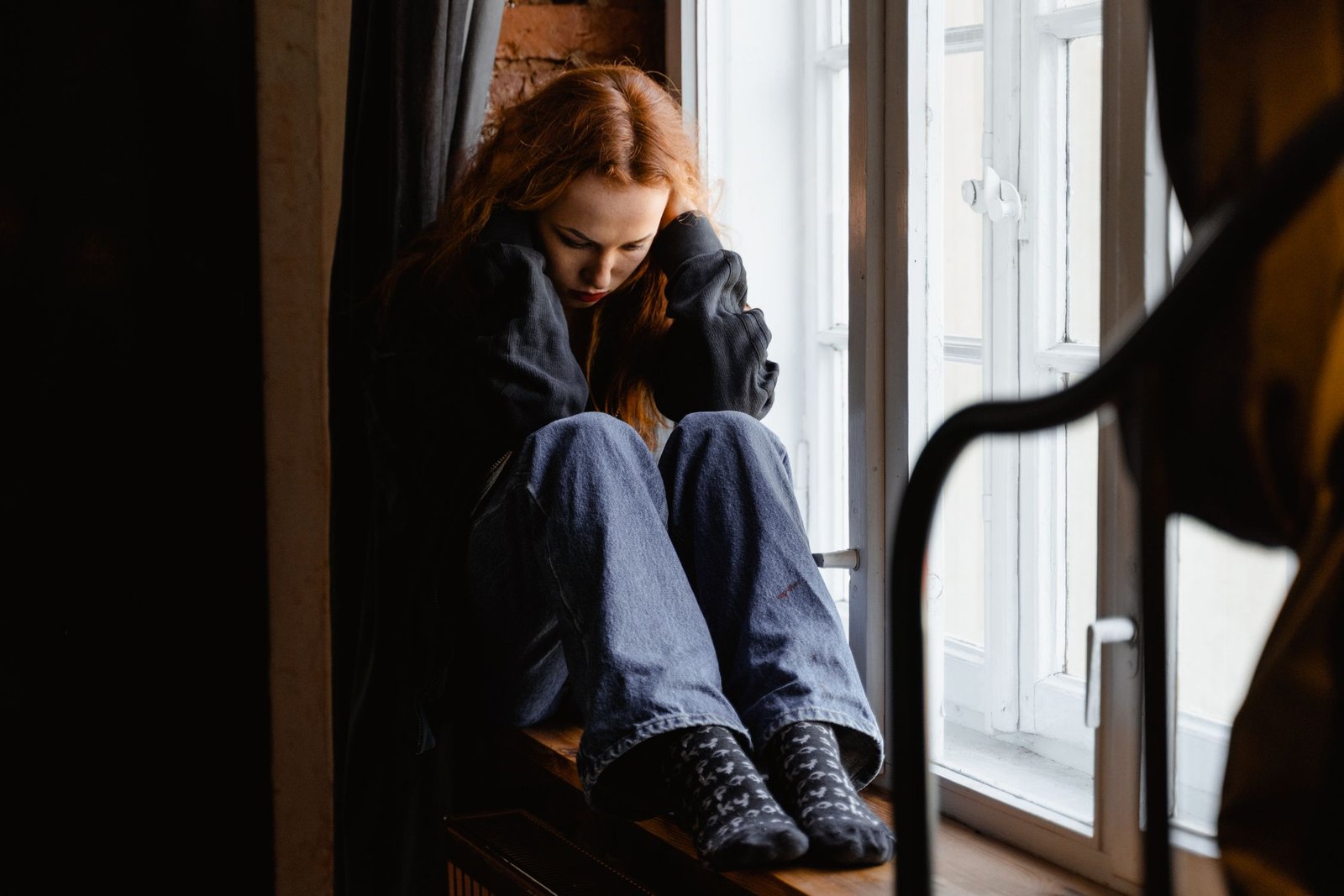

When seasonal affective disorder comes up, most people think of winter. Short days. Grey skies. The hibernation slump.
But for a significant minority, summer is the hard season. The Washington Post covered this exact phenomenon on July 6, 2026: summer seasonal affective disorder is real, and it affects people differently than its winter counterpart. Instead of lethargy and oversleeping, summer SAD often shows up as agitation, insomnia, and anxiety.
As one clinician told CHCH News this week: “It is less common than winter SAD, but some people do experience depression, insomnia, agitation, anxiety, and appetite changes during the summer months.” If you feel worse when the sun is out, you are not broken. There is a physiological reason.
What Is Summer Seasonal Affective Disorder?
Seasonal affective disorder is a subtype of major depression that follows a seasonal pattern. The DSM-5 recognizes it as a specifier for both unipolar and bipolar depression. Summer-pattern SAD (also called reverse SAD) is estimated to affect about 10% of people with seasonal depression, though the number may be higher in regions with extreme summer heat.
Unlike winter SAD, which is linked to light deprivation and vitamin D deficiency, summer SAD appears to be triggered by an overcorrection. The leading theory involves serotonin dysregulation: bright sunlight boosts serotonin production, and for some people, the system overshoots. The result is not calm contentment but agitation and unease.
Summer SAD vs. Winter SAD: Key Differences
The symptom profiles are almost opposite:
- Winter SAD: Oversleeping, carbohydrate cravings, weight gain, low energy, social withdrawal, heavy feeling in the limbs.
- Summer SAD: Insomnia, poor appetite, weight loss, agitation, anxiety, restlessness, irritability.
This difference matters because treatment approaches also differ. Light therapy helps winter SAD. For summer SAD, the approach is often the opposite: reduce light and heat exposure, stabilize the sleep-wake cycle, and cool the nervous system.
Why Summer Triggers Depression in Some People
Researchers have identified several mechanisms that may explain summer-pattern SAD:
- Serotonin oversensitivity. Sunlight triggers serotonin production. In susceptible individuals, the brain may overreact, leading to agitation rather than mood improvement. This is the same mechanism behind “serotonin syndrome” in some medication interactions.
- Melatonin disruption. Longer daylight hours mean less melatonin production. For some people, the shift is too abrupt, disrupting sleep architecture and circadian rhythms.
- Heat stress. High heat and humidity put physical strain on the body. The autonomic nervous system works harder to maintain temperature regulation. This additional physiological load can trigger depressive symptoms in vulnerable individuals.
- Schedule disruption. Summer often means schedule changes: children are home from school, work rhythms shift, social obligations increase. The loss of structure can destabilize mood.
7 Ways to Manage Summer SAD
1. Cool your environment
Heat is a physiological stressor. Keep your living and sleeping spaces cool. Use blackout curtains to block light and reduce heat. A cool shower before bed can help lower core body temperature and signal the nervous system that it is safe to rest.
2. Stabilize your sleep schedule
Longer days can push bedtimes later. Counteract this by setting a consistent sleep and wake time, even on weekends. Use blackout curtains to simulate darkness. Consider a cooling mattress pad if nighttime heat keeps you awake.
3. Reduce light exposure strategically
Where winter SAD requires more light, summer SAD may require less. Wear sunglasses when outdoors. Use dim lighting in the evenings. Limit screen time before bed. Room-darkening shades can help if you are sensitive to early morning light.
4. Practice nervous system regulation
Summer SAD is, at its core, a nervous system dysregulation triggered by environmental stressors. Techniques such as slow exhale breathing, cold water exposure (a splash of cold water on the face activates the dive reflex), and grounding can help shift the system toward calm. We have a complete guide to nervous system regulation here.
5. Maintain structure
Summer schedule disruption is a hidden contributor to midsummer depression. Keep some anchor points in your day: a consistent morning routine, regular meal times, a weekly check-in with a practitioner or support group. Predictability supports mood regulation.
6. Watch your nutrition
Summer SAD often reduces appetite. Make sure you are eating enough, even if you do not feel hungry. Light, protein-rich meals with fresh vegetables can support stable blood sugar and mood. Stay hydrated, as dehydration exacerbates anxiety symptoms.
7. Seek professional support
If symptoms persist for more than two weeks or interfere with daily functioning, reach out to a therapist or coach. Summer-pattern depression responds well to treatment, but it often goes unrecognized because both patients and clinicians default to the winter SAD framework. A structured assessment can help identify the seasonal pattern and guide the right treatment approach.
The Midsummer Slump vs. Summer SAD
Not every dip in summer mood is clinical depression. Many people experience what Purple Sky Counseling recently called “the mid-summer slump”: loss of routine, increased loneliness, low motivation while everyone else seems to be on vacation. This is a normal response to schedule disruption, not a disorder.
The difference is severity and duration. If your summer low comes with significant changes in sleep, appetite, and energy, and lasts most of the summer season, it may be SAD rather than slump. A licensed professional can help distinguish between the two.
Frequently Asked Questions
FlowlyOS helps practitioners identify seasonal patterns in client mental health through intelligent intake assessments. Learn more at flowlyos.com.