Tag: wellness

  • The Connection Between Chronic Stress and Physical Health You Cannot Ignore

    The Connection Between Chronic Stress and Physical Health You Cannot Ignore

    Chronic stress is not just a mental health issue. It is a physical health issue with measurable effects on nearly every system in your body. Understanding this connection is essential because it changes how you approach stress management and health prevention.

    If you have ever wondered why certain patterns keep showing up in your life, your unique nervous system blueprint shapes how you connect, cope, and heal. Understanding this pattern is the first step toward real change. Take the free assessment here.

    How Stress Affects the Body

    When you experience stress, your body releases cortisol and adrenaline. These hormones are helpful in short bursts. They give you energy and focus to deal with immediate challenges. But when they are chronically elevated, they cause damage. Cortisol suppresses the immune system, increases inflammation, raises blood pressure, and disrupts digestion. Over years, chronic stress contributes to heart disease, autoimmune conditions, digestive disorders, and accelerated aging.

    The Gut-Brain Connection

    The gut and brain are connected through the vagus nerve. Stress changes gut motility, increases intestinal permeability, and alters the gut microbiome. Many people with chronic stress develop digestive issues like IBS without connecting them to their stress levels.

    What You Can Do

    Regular stress management practices are not optional for long-term health. They are as important as exercise and nutrition. Breathwork, movement, sleep hygiene, and social connection all counteract the effects of chronic stress. The goal is not to eliminate stress but to build recovery periods into your daily life.

    For professionals helping people manage chronic stress, understanding burnout in high achievers is a related and growing concern.

    Looking for a way to reach more clients who need your support? See how FlowlyOS helps coaches and therapists build powerful client funnels

    The connection between chronic stress and physical health is one of the most well-documented relationships in medical research. Prolonged activation of the stress response system – the hypothalamic-pituitary-adrenal (HPA) axis – leads to elevated cortisol levels that damage nearly every system in the body over time. Chronic stress is linked to cardiovascular disease, weakened immune function, digestive disorders, sleep disruption, and accelerated ageing. The good news is that stress management techniques – regular exercise, adequate sleep, mindfulness practice, social connection, and professional support – can reverse many of these effects.


    Discover Your Blueprint

    You have explored the ideas. Now it is time to explore yourself. Attachment Style and Nervous System Assessment takes about 5 minutes and gives you personalised insights you can use immediately. No registration required. Just honest answers and real results.


  • How to Create a Personalised Self-Care Plan That Actually Sticks

    How to Create a Personalised Self-Care Plan That Actually Sticks

    Most self-care advice is generic: get more sleep, exercise more, take bubble baths. But generic self-care does not work because everyone’s needs are different. A self-care plan that actually sticks is one that is personalised to your nervous system, your lifestyle, and your specific stressors.

    If you have ever wondered why certain patterns keep showing up in your life, your unique nervous system blueprint shapes how you connect, cope, and heal. Understanding this pattern is the first step toward real change. Take the free assessment here.

    Step 1: Audit Your Current State

    Before you plan self-care, understand what you need to recover from. Keep a simple log for one week. Note when you feel most stressed, what triggers it, and what helps even a little. Look for patterns. Do you need more rest, more connection, more solitude, or more structure?

    Step 2: Identify Your Self-Care Type

    Some people recover through solitude. Others recover through social connection. Some need physical activity to discharge stress. Others need stillness. None of these is better than another. What matters is what works for you. Give yourself permission to do what actually replenishes you, not what social media tells you self-care should look like.

    Step 3: Start Tiny

    The biggest mistake is creating an elaborate self-care routine that requires two hours and ten steps. Start with one thing you can do in five minutes. Build from there. Consistency matters more than duration. A three-minute breathing practice every day beats a one-hour yoga practice that happens once.

    For wellness professionals helping clients build sustainable self-care, understanding emotional regulation science deepens your approach.

    Looking for a way to reach more clients who need your support? See how FlowlyOS helps coaches and therapists build powerful client funnels

    Creating a personalised self-care plan requires more than a list of pleasant activities. True self-care addresses four dimensions: physical (sleep, nutrition, movement), emotional (boundaries, connection, expression), mental (stimulation, learning, rest), and spiritual (purpose, values, meaning). A personalised plan considers your specific needs, preferences, and constraints. It is not a luxury – it is a necessity for sustainable wellbeing. The best self-care plan is one you will actually follow, which means it must be realistic, flexible, and aligned with your values.


    Discover Your Blueprint

    You have explored the ideas. Now it is time to explore yourself. Attachment Style and Nervous System Assessment takes about 5 minutes and gives you personalised insights you can use immediately. No registration required. Just honest answers and real results.

  • How to Support a Loved One Through a Mental Health Challenge

    How to Support a Loved One Through a Mental Health Challenge

    Watching someone you care about struggle with their mental health is hard. You want to help, but you are not sure what to say or do. The fear of saying the wrong thing often leads to saying nothing at all. Here is a practical guide to supporting someone through a mental health challenge.

    If you have ever wondered why certain patterns keep showing up in your life, if you have always felt deeply and absorbed the emotions of those around you, you may be an empath. Knowing your empathy type can help you protect your energy and use your gift wisely. Take the free assessment here.

    Start with Presence, Not Solutions

    The most common mistake is trying to fix the person’s problem. Mental health struggles are rarely solved by advice. What helps most is simply being present. Let them know you are there. Listen without interrupting. Resist the urge to offer solutions unless they ask for them.

    What to Say and What Not to Say

    Helpful phrases include: “I am here for you.” “That sounds really hard.” “You do not have to go through this alone.” Avoid phrases like: “Just think positive.” “Other people have it worse.” “Have you tried exercising?” These minimise the person’s experience and make them feel unheard.

    When to Encourage Professional Help

    If your loved one’s symptoms are interfering with daily life for more than two weeks, it is appropriate to gently suggest professional support. Use “I” statements: “I have noticed you seem to be struggling lately. I care about you. Would you be open to talking to someone who can help?”

    If you are a professional who helps people in these situations, many people need help recognising when it is time to seek support.

    Looking for a way to reach more clients who need your support? See how FlowlyOS helps coaches and therapists build powerful client funnels

    Supporting a loved one through a mental health challenge requires compassion, patience, and clear boundaries. The most important thing you can offer is non-judgmental presence – listening without trying to fix, solve, or minimise their experience. Avoid platitudes like ‘just think positive’ or ‘it could be worse.’ Instead, say things like ‘I am here for you’ and ‘That sounds really difficult.’ Encourage professional help when appropriate but do not force it. Take care of your own wellbeing – supporting someone with mental health challenges is demanding, and you cannot pour from an empty cup.


    Discover Your Blueprint

    You have explored the ideas. Now it is time to explore yourself. Empath Type Quiz takes about 5 minutes and gives you personalised insights you can use immediately. No registration required. Just honest answers and real results.

  • The Beginner’s Guide to Nervous System Regulation for Everyday Wellness

    The Beginner’s Guide to Nervous System Regulation for Everyday Wellness

    Nervous system regulation is not just for trauma survivors. Everyone can benefit from understanding and improving how their nervous system functions. Better regulation means better sleep, calmer reactions, more energy, and greater resilience to stress. This guide covers the basics for anyone starting their regulation journey.

    If you have ever wondered why certain patterns keep showing up in your life, your unique nervous system blueprint shapes how you connect, cope, and heal. Understanding this pattern is the first step toward real change. Take the free assessment here.

    What Is Nervous System Regulation?

    Regulation is the ability to return to a calm, balanced state after experiencing stress. A regulated nervous system can handle life’s challenges without getting stuck in fight-or-flight mode. It is like a thermostat that keeps your internal environment stable regardless of external conditions.

    Simple Practices Anyone Can Use

    Deep, slow breathing activates the vagus nerve and signals safety to your system. Inhale for four counts, exhale for six. Cold exposure, like a cold shower or splashing cold water on your face, triggers the mammalian dive reflex and instantly activates the parasympathetic system. Gentle movement like walking or shaking helps discharge excess nervous system energy.

    Building a Daily Regulation Practice

    Start with one minute of conscious breathing every morning. Add one cold shower per week. Notice how your body feels during and after each practice. Over time, your nervous system will learn to regulate more easily because you are practicing the skill regularly, just like exercising a muscle.

    If you are a coach or practitioner helping clients with regulation, emotional regulation science can deepen your practice.

    Looking for a way to reach more clients who need your support? See how FlowlyOS helps coaches and therapists build powerful client funnels

    Your nervous system regulates everything: your heart rate, digestion, immune function, stress response, and emotional state. Understanding how it works is the first step to regulating it deliberately. The autonomic nervous system has two main branches: the sympathetic (fight-or-flight) and the parasympathetic (rest-and-digest). Modern life tends to over-activate the sympathetic branch, keeping us in a state of low-grade stress. Simple practices like slow diaphragmatic breathing, cold exposure, humming, and gentle movement can activate the parasympathetic system and restore balance. Building these practices into your daily routine can transform your nervous system health.


    Discover Your Blueprint

    You have explored the ideas. Now it is time to explore yourself. Attachment Style and Nervous System Assessment takes about 5 minutes and gives you personalised insights you can use immediately. No registration required. Just honest answers and real results.

  • How Private Practice Therapists Can Scale Without Burning Out

    How Private Practice Therapists Can Scale Without Burning Out

    Dr. Hannah Reeves, a psychotherapist in private practice in Bristol, reached a breaking point in early 2024 that almost made her quit the profession entirely. Her caseload was full at twenty-five sessions per week – the maximum her professional body recommended – but the non-clinical work was pushing her past sixty hours weekly. Between writing clinical notes, responding to emails, managing her calendar, processing payments, handling insurance claims, marketing her practice, and supervising two associate therapists, Dr. Reeves had virtually no time for her own wellbeing, continuing education, or – ironically – the deep, reflective presence that her therapeutic approach required. ‘I was telling my clients to set boundaries and practise self-care,’ she recalls with a wry laugh, ‘while I was answering emails at 11 p.m. and skipping lunch three days a week. I was the poster child for the burnout I was supposed to be treating.’

    If you have ever wondered why certain patterns keep showing up in your life, your unique nervous system blueprint shapes how you connect, cope, and heal. Understanding this pattern is the first step toward real change. Take the free assessment here.

    Dr. Reeves’s story is painfully common. A 2024 survey by the British Association for Counselling and Psychotherapy found that 67% of private practitioners report working more than fifty hours per week, with administrative tasks accounting for nearly 40% of their total working time. The same survey found that 43% of practitioners had considered leaving private practice within the past year due to burnout – not because they did not love the clinical work, but because the non-clinical demands had become unsustainable. The good news is that scaling a private practice without burning out is not only possible; it is being done successfully by thousands of practitioners who have learned to leverage automation, delegation, and smart systems. This article explores how you can grow your practice without growing your stress.

    The Hidden Workload: Why Private Practice Is Burning You Out

    The fundamental challenge of scaling a private practice is that most practitioners treat their practice as a solo operation, even as it grows. They continue to handle every function – clinical, administrative, financial, marketing – as if they were still a brand-new practitioner with five clients a week. The result is that every increase in client volume produces a disproportionate increase in total workload, because the administrative and logistical demands grow geometrically while the clinical hours grow only linearly.

    Consider what happens when a solo practitioner increases from fifteen to twenty-five weekly clients. The clinical time increases by ten hours. But the associated administrative time – intake forms, progress notes, email correspondence, scheduling adjustments, billing, payment follow-up, marketing to fill the new slots, supervision sessions, continuing education – can increase by fifteen to twenty hours. The practitioner ends up working more hours for less per-hour take-home pay, and their quality of life deteriorates. This phenomenon, known in business literature as ‘the scaling penalty,’ is the primary reason many excellent therapists never grow beyond a small practice, and why many who do grow end up leaving the profession entirely within a few years.

    There is also an emotional dimension to this burnout that is specific to therapeutic work. Unlike many professions, therapy and coaching require sustained emotional presence and empathic attunement. When a practitioner’s energy is depleted by administrative overload, they have less capacity for the deep, relational work that their clients need. This creates a painful feedback loop: the practitioner feels they are not doing their best work, which increases their guilt and stress, which further depletes their energy, which makes the clinical work even harder. Breaking this loop requires not just ‘self-care’ but a fundamental restructuring of how the practice operates.

    How FlowlyOS Helps You Scale Without the Burnout

    FlowlyOS addresses the scaling penalty by automating the administrative infrastructure of your practice. The platform functions as a central nervous system for your practice, handling client intake, pre-session assessments, scheduling, payment, follow-up, and client communication – all the tasks that, when done manually, consume those extra twenty hours per week. FlowlyOS does not replace the human elements of your practice; it removes the friction around them so that you can focus your energy where it matters most.

    For Dr. Reeves, implementing FlowlyOS was transformative. She began by automating her client intake process. Previously, every new inquiry required a fifteen-minute email exchange, a separate intake form sent via a third-party platform, a manual calendar link, and a reminder that she often had to send twice because clients would forget. With FlowlyOS, the entire process became a single automated funnel: prospects completed a brief pre-qualification quiz, received an immediate personalised response, and could book their initial session directly from the results page – all without Dr. Reeves touching her keyboard. ‘The first week, I saved over six hours just on intake emails,’ she says. ‘That was the moment I realised I had been accepting a level of inefficiency that I would never tolerate in any other area of my life.’

    FlowlyOS also handles the ongoing workflow for existing clients. Automated pre-session check-ins replace manual reminder emails. Payment collection is automatic and recurring, eliminating the awkward ‘you forgot to pay’ conversations that many practitioners dread. Post-session follow-ups – including links to resources, homework prompts, and session summaries – are triggered automatically based on the client’s plan. For practitioners with associate therapists or group practices, FlowlyOS can route new clients to the appropriate clinician, manage availability across multiple calendars, and provide a unified dashboard for tracking practice-wide metrics. The system does not just save time; it changes the practitioner’s relationship with time, allowing them to work in their zone of genius rather than in the administrative weeds.

    5 Steps to Scale Your Private Practice Without Burning Out

    Step 1: Audit Your Time for Two Weeks. Before you can automate, you need to know what you are actually spending time on. For fourteen days, track every task you do in fifteen-minute increments. Categorise each task as clinical (direct client work), administrative (scheduling, billing, email, notes), marketing (social media, networking, content creation), or strategic (planning, supervision, professional development). At the end of two weeks, you will likely find that administrative tasks consume 35-45% of your working hours – and that many of those tasks are repetitive, rule-based, and perfect for automation. Dr. Reeves discovered she was spending 11.3 hours per week on tasks that FlowlyOS could handle, which became her automation priority list.

    Step 2: Automate Your Client Intake First. The highest-impact automation you can implement is your client intake process because it is the most fragmented and time-consuming manual workflow. Build a FlowlyOS intake funnel that includes a pre-qualification quiz, automated scheduling, payment collection, and consent form delivery. Configure it so that when a prospect completes the funnel, they are automatically added to your client management system with the correct tags, their first session is booked, and a welcome sequence is triggered. Once this is running, you should be able to go from prospect inquiry to booked session without any manual intervention. This alone can save 5-10 hours per week.

    Step 3: Standardise and Automate Your Session Workflow. Create standardised pre-session and post-session workflows in FlowlyOS. Before each session, send an automated check-in that asks the client to rate their current state, note any key developments since the last session, and set an intention for the session. After each session, send a follow-up that includes a brief summary, any resources discussed, and a prompt for between-session practice. These automated touchpoints improve client outcomes (because they reinforce the therapeutic work) and reduce your manual communication load. They also create a richer therapeutic alliance because clients feel held and supported between sessions.

    Step 4: Implement a Tiered Service Model. One of the most effective ways to scale without burning out is to create service tiers that allow you to serve more clients without multiplying your clinical hours linearly. Consider adding self-paced courses, group coaching programmes, or membership communities alongside your one-to-one work. These lower-touch offerings generate revenue while requiring less of your direct time per client. FlowlyOS makes this easy by allowing you to create separate funnels for each service tier and route clients to the appropriate offering based on their assessment results. Dr. Reeves launched a twelve-week group programme for anxiety management that now serves fifteen clients per cohort – generating the same revenue as seven individual sessions per week but requiring only four hours of her time.

    Step 5: Build Your Support Infrastructure. Scaling a practice is not just about systems – it is about people. As your practice grows, invest in support: a virtual assistant for remaining administrative tasks, clinical supervision for your professional development, a peer consultation group for emotional support, and – if you are running a group practice – reliable associate therapists who share your values. Use a portion of the revenue you free up through automation to fund this support. The best practitioners treat their own wellbeing as a non-negotiable operational expense, not a luxury.

    Case Study: How Dr. Reeves Doubled Her Practice Without Doubling Her Stress

    Dr. Hannah Reeves implemented the approach outlined above over a three-month period. Her first step was the time audit, which revealed she was spending 12.4 hours per week on tasks that could be automated or delegated. She then built her FlowlyOS intake funnel, automated her session workflows, and hired a part-time virtual assistant (ten hours per week) to handle the remaining administrative tasks that required a human touch. She launched her group anxiety programme as a new service tier. Within six months, her practice had grown from twenty-five individual sessions per week to a blended model: fifteen individual sessions plus two group cohorts serving thirty clients total.

    The results were striking. Her total working hours dropped from sixty-two per week to forty-four – a 29% reduction – while her client reach increased by 80%. Her weekly revenue grew from approximately £3,800 to £5,600, representing a 47% increase in income with a 29% decrease in hours worked. Perhaps most importantly, her self-reported wellbeing score on a standardised burnout assessment improved by 58%. ‘I used to fantasise about retiring early,’ she says. ‘Now I fantasise about doing this work for another twenty years, because I have finally figured out how to do it sustainably. The irony is that I am a better therapist now than I was when I was exhausted – I am more present, more patient, more creative. My clients benefit from my sustainable practice as much as I do.’

    Frequently Asked Questions

    Will automation make my practice feel less personal to clients?

    Not if it is implemented thoughtfully. The goal of automation is not to remove the human element but to protect it. Clients do not want to exchange emails about scheduling; they want to feel held and supported by their practitioner. Automated systems handle the logistics so that you can bring your full presence to the actual therapeutic work. In fact, Dr. Reeves found that her clients reported feeling more – not less – supported after automation, because the consistent touchpoints made them feel cared for between sessions.

    How much does it cost to set up the systems described here?

    FlowlyOS offers plans starting at a modest monthly investment, and most practitioners recoup the cost in their first month through increased efficiency and reduced missed bookings. The virtual assistant hire is an additional cost but is typically covered by the revenue freed up through automation. Most practitioners find that the combination of FlowlyOS and a part-time VA costs less than £500 per month and saves 15-20 hours of their time – making it one of the highest-ROI investments a practice can make.

    I am a solo practitioner – do I really need all of this?

    You may not need everything at once, but we encourage you to start with intake automation and see how it changes your experience of running your practice. Even that single change – eliminating manual intake – can dramatically reduce the sense of overwhelm that comes with new inquiries. From there, you can add automation gradually, at a pace that feels sustainable. Many practitioners find that once they experience the relief of even one automated workflow, they become enthusiastic about automating more.

    Start your free FlowlyOS trial and learn how to scale your practice without burning out.


    Discover Your Blueprint

    You have explored the ideas. Now it is time to explore yourself. Attachment Style and Nervous System Assessment takes about 5 minutes and gives you personalised insights you can use immediately. No registration required. Just honest answers and real results.

  • Mindfulness vs Meditation: Key Differences Every Wellness Seeker Should Understand

    Mindfulness vs Meditation: Key Differences Every Wellness Seeker Should Understand

    Mindfulness and meditation are often used interchangeably, but they are different practices with different purposes. Understanding the distinction helps you choose the right practice for your goals and avoid frustration when one approach does not give you the results you expected.

    If you have ever wondered why certain patterns keep showing up in your life, your unique nervous system blueprint shapes how you connect, cope, and heal. Understanding this pattern is the first step toward real change. Take the free assessment here.

    What Is Mindfulness?

    Mindfulness is the practice of paying attention to the present moment without judgment. It is a quality of awareness that can be cultivated throughout your day. You can be mindful while washing dishes, walking in nature, or having a conversation. Mindfulness is not a technique reserved for a quiet room. It is a way of being.

    What Is Meditation?

    Meditation is a formal practice where you set aside dedicated time to train your attention. It is the gym workout for your mind. Common forms include focused attention meditation, open monitoring meditation, and loving-kindness meditation. Meditation develops the skill of mindfulness, but it is not the same thing.

    How They Work Together

    Think of meditation as the training session and mindfulness as the application. You meditate to build the muscle of attention and awareness. You then apply that muscle in daily life through mindful living. One without the other is incomplete. Meditation without mindfulness becomes an isolated practice that does not change your daily experience. Mindfulness without meditation training is harder to sustain because you have not built the underlying skill.

    For wellness professionals helping clients build these practices, FlowlyOS can automate client intake and assessment.

    Looking for a way to reach more clients who need your support? See how FlowlyOS helps coaches and therapists build powerful client funnels

    Mindfulness and meditation are related but distinct practices. Mindfulness is a quality of attention – being present with whatever is happening without judgment. Meditation is a formal practice that cultivates mindfulness. You can practice mindfulness while walking, eating, washing dishes, or having a conversation. Meditation typically involves setting aside dedicated time for focused practice. Both are valuable, and they reinforce each other. Regular meditation strengthens your mindfulness muscle, making it easier to be present in daily life. Both practices have been shown to reduce stress, improve emotional regulation, enhance focus, and increase wellbeing.


    Discover Your Blueprint

    You have explored the ideas. Now it is time to explore yourself. Attachment Style and Nervous System Assessment takes about 5 minutes and gives you personalised insights you can use immediately. No registration required. Just honest answers and real results.
  • Why More People Are Turning to Online Coaching for Mental Wellness

    Why More People Are Turning to Online Coaching for Mental Wellness

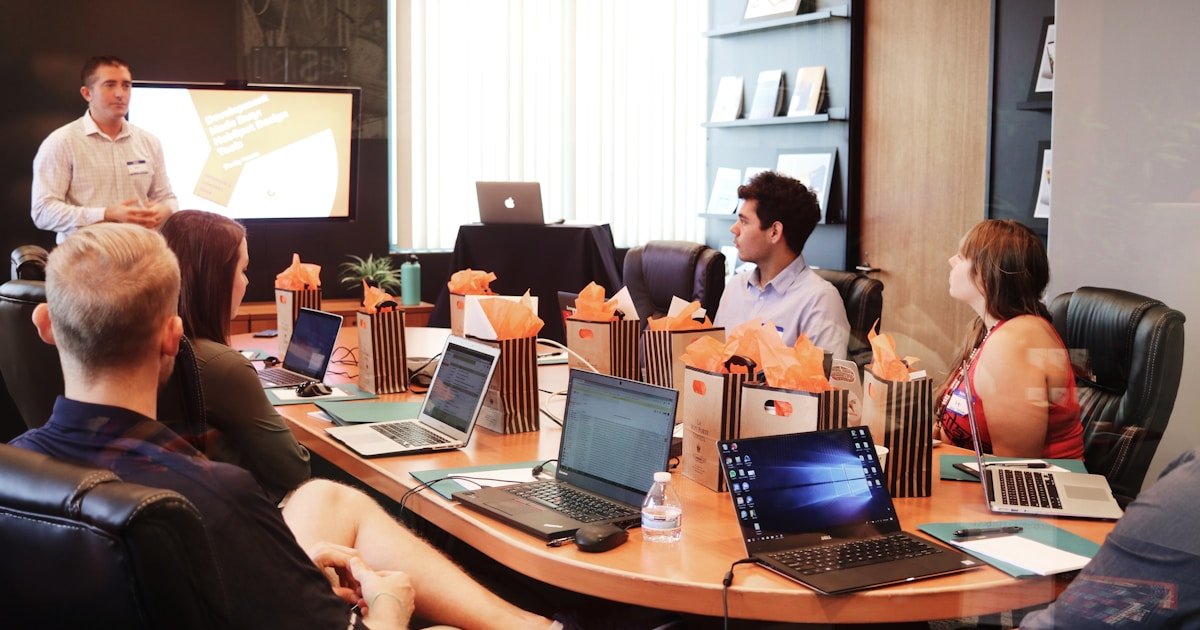
    When the pandemic forced practitioners to move their practices online, many were sceptical. ‘I thought I would lose the connection that makes coaching work,’ says James Morrison, a leadership coach who transitioned to virtual sessions in March 2020. ‘What I discovered surprised me: online coaching was just as effective as in-person work, and in some ways, it was better.’

    James’ experience is backed by research. Multiple studies have found that online coaching and therapy produce outcomes equivalent to in-person care for most presenting issues. The convenience of meeting from home reduces barriers to attendance, increases session consistency, and ultimately leads to faster progress.

    If you have ever wondered why certain patterns keep showing up in your life, your unique personality profile influences how you respond to stress, build relationships, and pursue growth. Knowing your Big Five traits gives you a roadmap for intentional change. Take the free assessment here.

    Why Online Coaching Works

    Online coaching eliminates the most common barrier to consistent attendance: travel. Clients who would cancel an in-person session due to traffic or scheduling pressure show up for a video call. The lower friction of online sessions means clients attend more frequently and make faster progress. The quality of the therapeutic relationship in online sessions is not significantly different from in-person sessions for most clients.

    Types of Coaching That Translate Well

    Goal-setting and accountability coaching works seamlessly online. Cognitive and behavioural techniques translate easily to video. Even somatic coaching can be adapted, with guided body awareness exercises that clients can do at home. The key is that the coach adapts their approach to the medium rather than trying to replicate the in-person experience.

    Expanding Your Reach

    For practitioners, online coaching removes geographic limitations. A coach can work with clients anywhere in their country – or internationally, depending on credential recognition. FlowlyOS supports this geographic flexibility by attracting clients from anywhere and routing them to your online booking system automatically.

    The shift to online coaching and therapy has transformed the wellness industry. Research consistently shows that online sessions produce outcomes equivalent to in-person care for most conditions, and often better attendance rates due to reduced barriers. Clients attend more consistently when they can join from home. Practitioners can reach clients beyond their geographic area. For coaches and therapists looking to grow their practice, offering online sessions is no longer optional – it is essential. FlowlyOS supports this by attracting clients from anywhere and routing them seamlessly to your online booking system.

    FAQ

    Do I need special equipment for online coaching?

    A reliable internet connection, a webcam, and a quiet space are sufficient for effective online coaching sessions.

    Can I mix online and in-person clients?

    Yes. Many practitioners offer both options, which gives clients flexibility and expands the potential client base.


    Discover Your Blueprint

    You have explored the ideas. Now it is time to explore yourself. Big Five Personality Test takes about 5 minutes and gives you personalised insights you can use immediately. No registration required. Just honest answers and real results.

  • Anxiety vs Stress: What Is the Real Difference and When Do You Need Help?

    Anxiety vs Stress: What Is the Real Difference and When Do You Need Help?

    Everyone uses the words anxiety and stress interchangeably. But they are not the same thing, and treating them the same way leads to ineffective coping strategies. Understanding the difference is the first step to getting the right help.

    If you have ever wondered why certain patterns keep showing up in your life, the patterns operating beneath your conscious awareness may be quietly shaping your decisions, your relationships, and your sense of self. The first step is seeing them clearly. Take the free assessment here.

    What Is Stress?

    Stress is a response to an external trigger. A deadline, a conflict, a financial pressure. When the trigger goes away, the stress goes away. Stress is situational and temporary. Your body activates its fight-or-flight response, deals with the situation, and returns to baseline.

    What Is Anxiety?

    Anxiety is a persistent state of worry that persists even when there is no immediate trigger. Your brain stays in a heightened alert state without an obvious reason. Anxiety can feel like stress, but it does not resolve when the situation changes because the situation is not the cause.

    When Stress Becomes Anxiety

    Chronic stress can rewire your brain over time. If your stress response is activated repeatedly without recovery periods, your brain learns to stay in that state permanently. That is when situational stress becomes clinical anxiety.

    When to Seek Help

    If stress is interfering with your sleep, relationships, or ability to function for more than two weeks, it is time to talk to someone. If you experience panic attacks, persistent worry, or avoidance behaviours that limit your life, professional support is essential.

    If you are a professional helping people with anxiety, quiz funnels help you attract clients who are ready for support.

    Looking for a way to reach more clients who need your support? See how FlowlyOS helps coaches and therapists build powerful client funnels

    Anxiety and stress are often used interchangeably, but they are distinct experiences with different biological mechanisms. Stress is a response to an external trigger – a deadline, a conflict, a demanding situation. It typically resolves when the trigger is removed. Anxiety is a response to perceived future threats, even when no immediate external trigger exists. The same biological system – the HPA axis and sympathetic nervous system – drives both responses, but they require different management strategies. Stress management focuses on removing or reducing external triggers. Anxiety management focuses on retraining the brain’s threat-detection system through techniques like cognitive reframing, exposure, and mindfulness.


    Discover Your Blueprint

    You have explored the ideas. Now it is time to explore yourself. HiddenMind Quiz takes about 5 minutes and gives you personalised insights you can use immediately. No registration required. Just honest answers and real results.

  • Burnout in High Achievers: Signs You Are Closer to the Edge Than You Think

    Burnout in High Achievers: Signs You Are Closer to the Edge Than You Think

    High achievers do not see burnout coming. They are too busy winning. The late nights feel productive. The constant pressure feels normal. The exhaustion is just part of the grind. By the time they realise something is wrong, they are already deep in burnout territory.

    Burnout in high achievers looks different from regular exhaustion. It creeps up slowly. It disguises itself as dedication. And it often takes a complete collapse before the person acknowledges it.

    If you have ever wondered why certain patterns keep showing up in your life, the patterns operating beneath your conscious awareness may be quietly shaping your decisions, your relationships, and your sense of self. The first step is seeing them clearly. Take the free assessment here.

    The Early Warning Signs

    The first sign is usually sleep disruption. You fall asleep fine but wake up at 3am with your mind racing. Then comes the irritability. Small things that never bothered you before now feel infuriating. You start cancelling social plans because you are too tired. Your work quality drops but you push harder instead of resting.

    The High Achiever Trap

    High achievers are praised for their productivity. That praise reinforces the behaviour that leads to burnout. Your brain learns that overworking gets rewards, so you do more of it. The problem is that the rewards diminish while the damage accumulates. Eventually, you need more and more effort to produce the same results, and less and less satisfaction comes from those results.

    The Physical Toll

    Burnout is not just mental. It manifests physically. Chronic headaches, digestive issues, lowered immunity, and muscle tension are common. Many high achievers visit doctors for these symptoms without connecting them to burnout.

    What Recovery Looks Like

    Recovery requires a complete break from the patterns that caused the burnout. Not a weekend off, but a fundamental shift in how you approach work and rest. Professional support from a coach or therapist who understands high achiever burnout is often necessary because the patterns are so deeply ingrained.

    If you are a coach or therapist who works with high achievers, quizfunnel/”>a quiz funnel can help you attract clients who need burnout support before they reach crisis point.

    Burnout has been classified by the World Health Organisation as an occupational phenomenon characterised by three dimensions: exhaustion, cynicism, and reduced professional efficacy. High achievers are particularly susceptible because their drive for success often leads them to ignore early warning signs. Common early indicators include feeling tired even after rest, becoming increasingly irritable with colleagues or family members, losing satisfaction in accomplishments that used to feel meaningful, and using food, alcohol, or screens to cope with work stress. Recognising these signs early and seeking appropriate support can prevent burnout from becoming a prolonged health crisis.

    FAQ

    Can you recover from burnout without stopping work?

    Some reduction in workload is usually necessary, but the real change is in how you work. Setting boundaries, prioritising rest, and addressing the underlying drivers of your overwork are more important than a complete break.

    How long does burnout recovery take?

    Mild burnout can improve in weeks. Severe burnout can take months. The key is consistency in new habits, not quick fixes.

    Looking for a way to reach more clients who need your support? See how FlowlyOS helps coaches and therapists build powerful client funnels


    Discover Your Blueprint

    You have explored the ideas. Now it is time to explore yourself. HiddenMind Quiz takes about 5 minutes and gives you personalised insights you can use immediately. No registration required. Just honest answers and real results.